
 Lessons: 10Length: 46 minutes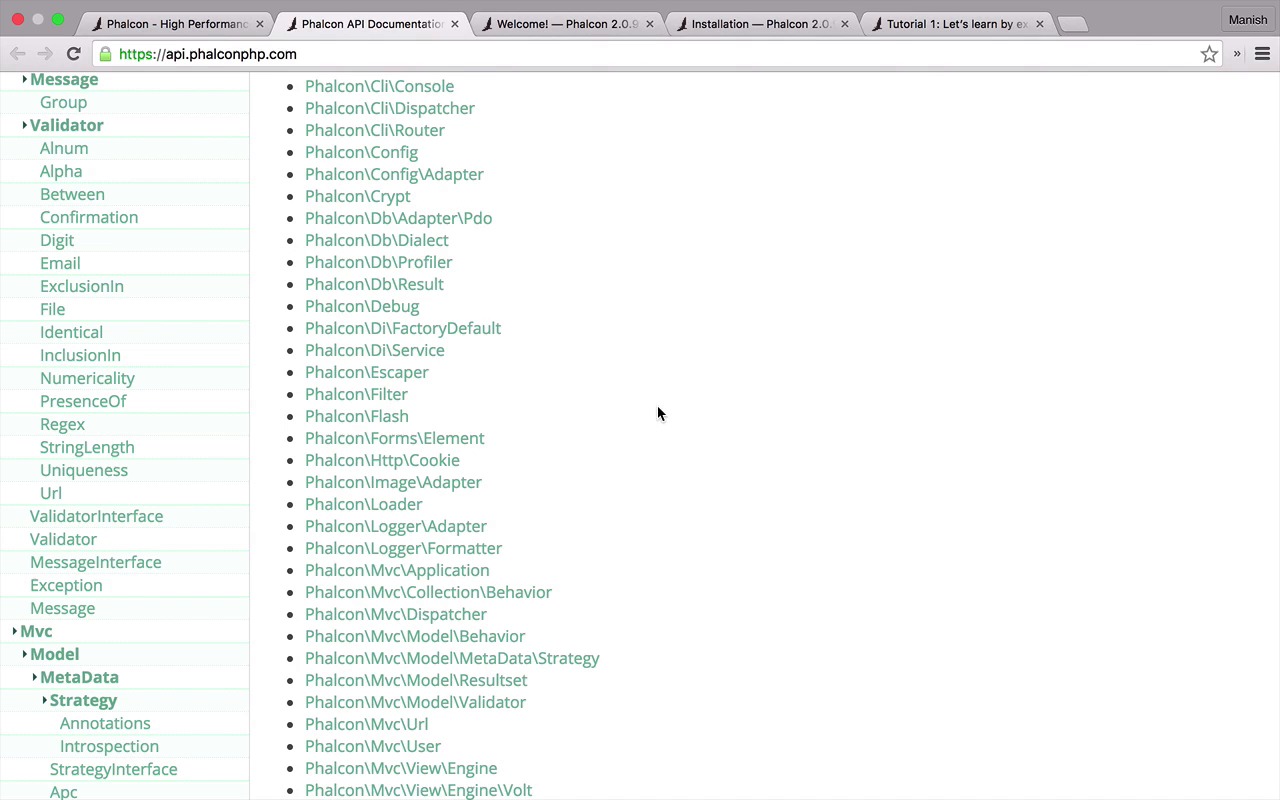
- Overview
- Transcript
3.1 Conclusion
I hope you enjoyed learning about creating a RESTful API in the Phalcon PHP framework. This is still a young framework, but it is growing very fast. I’ll leave you with some tips about where you can connect with the Phalcon community or look for help.
Related Links
1.Introduction
1.1Introduction01:18
1.2What We'll Be Building01:08
1.3Set Up the Application03:37
2.Create a REST API With Phalcon
2.1Create the Endpoints05:44
2.2Create Models07:32
2.3Create a Database06:48
2.4Retrieve Data06:10
2.5Create, Update and Delete Routes07:06
2.6Wild Card04:09
3.Conclusion
3.1Conclusion01:58
3.1 Conclusion
So there you have it. I really hope you enjoyed and learned something from this course, a small journey of creating a restful API and getting started with Phalcon PHP framework. There is no doubt Phalcon offers high performance and lower resource consumption. Also, it's power to create simple restful API very quickly is incredible, but It is still comparatively very young. The community for help and learning material has yet to grow to its full potential, but it's growing fairly fast, so it shouldn't be very long. Meanwhile, I will highly encourage you to keep an eye on phalconphp.com, starting from their documentation, which is very easy to understand. And also, I think it's one of the best resources out there for learning Phalcon. You can go through the installation guide for different platforms or follow their tutorials to learn more, or you can always recommend us the interesting areas you want to learn for new courses, then you should definitely check out the API. Here, you can find tons of different complements that Phalcon offers like sessions, forums, events, queues, and many, many more. Then they have a forum. It's very important tool if you are seeking help from community or maybe just for learning, solving issues, or discussing your idea with experts. People are very helpful here. You can expect a response within an hour or two, so sure, give it a try if you get stuck in the future. I also recommend to check out their blog. Phalcon has very active development, every two or three months, they have a new release. Like here, this one is just a month old, and you can see in the changes that they have added support for DATE columns in Oracle. So this way, you can actively keep an eye on their development and changes within this framework. Also, you can head over to their GitHub repository to have a look into their source code. Sometimes it's easy to understand the functionality from code than the documentation like we did for validations in one of our previous lessons. I will finish it by, once again, encouraging you to keep an eye on phalconphp.com as more updates and features come to place. And hopefully, I will see you again. Til then, bye-bye.


